Natural Resources Research & Management
Natural Resources Research & Management
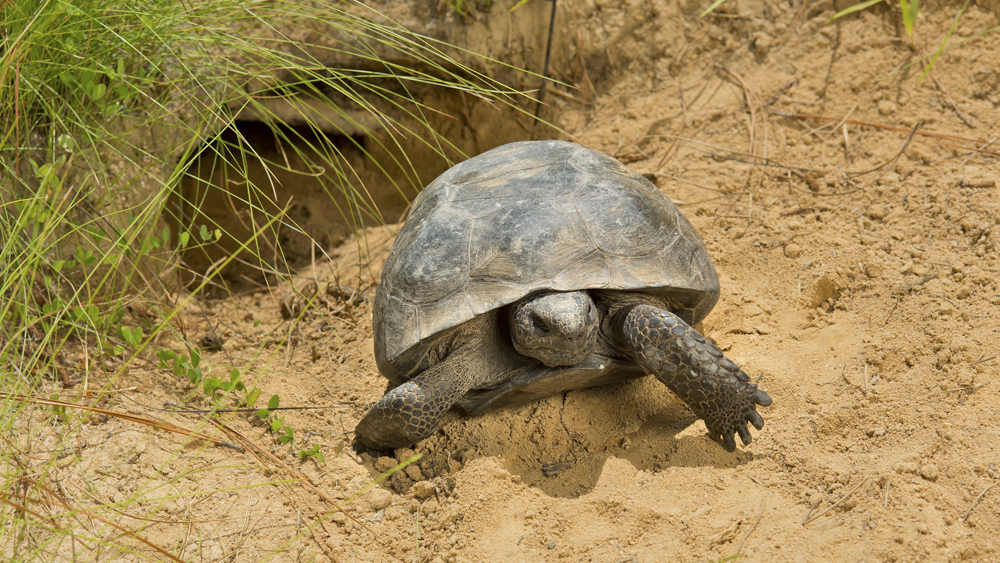
The gopher tortoise (Gopherus polyphemus) occurs in nearly all terrestrial ecosystems in the southeastern United States and is one of the most frequently translocated reptiles in North America. There is a need to determine which habitat characteristics are most suitable to support translocated tortoises and to provide restoration and management targets across different land cover types. To address these needs, we used existing data to predict tortoise densities in 11 different land cover types.
We used data collected as part of Florida’s gopher tortoise monitoring program for state conservation lands, and used two variables describing habitat conditions: soil depth to water table and canopy cover.
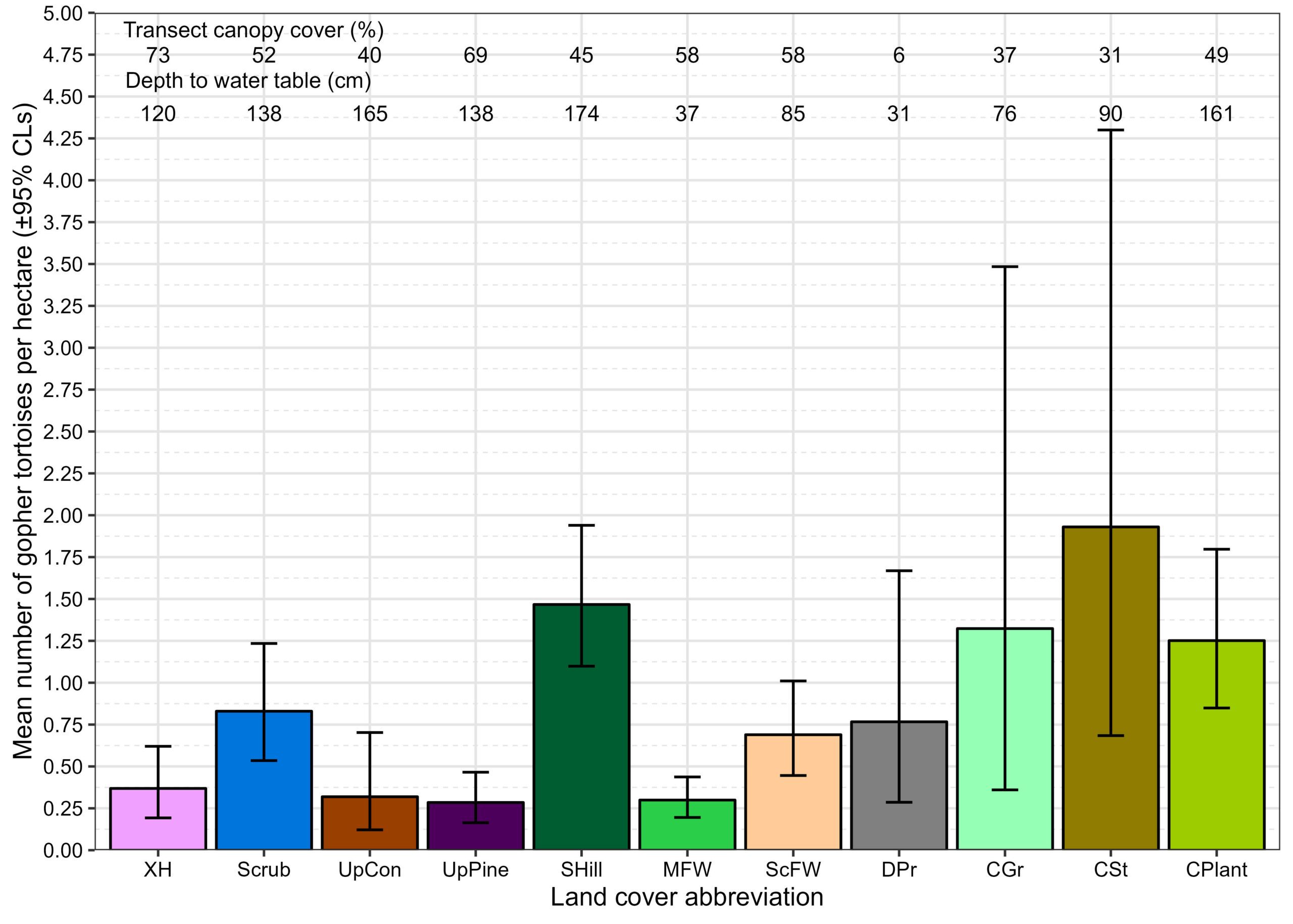
Predicted gopher tortoise densities varied by land cover type but generally increased with decreasing canopy cover.
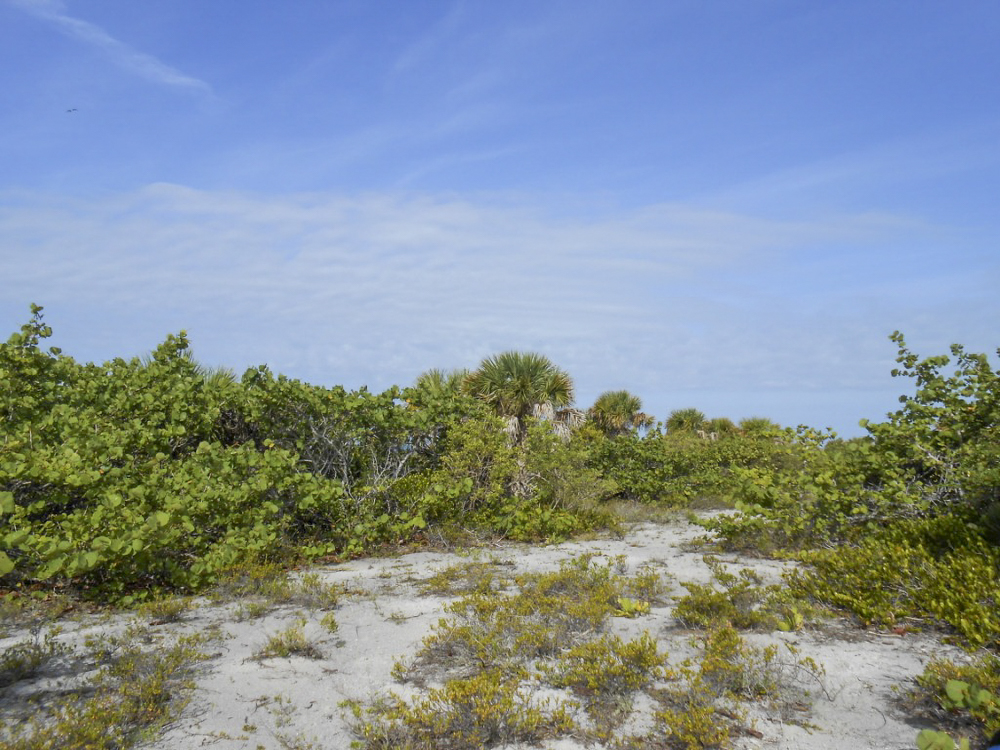
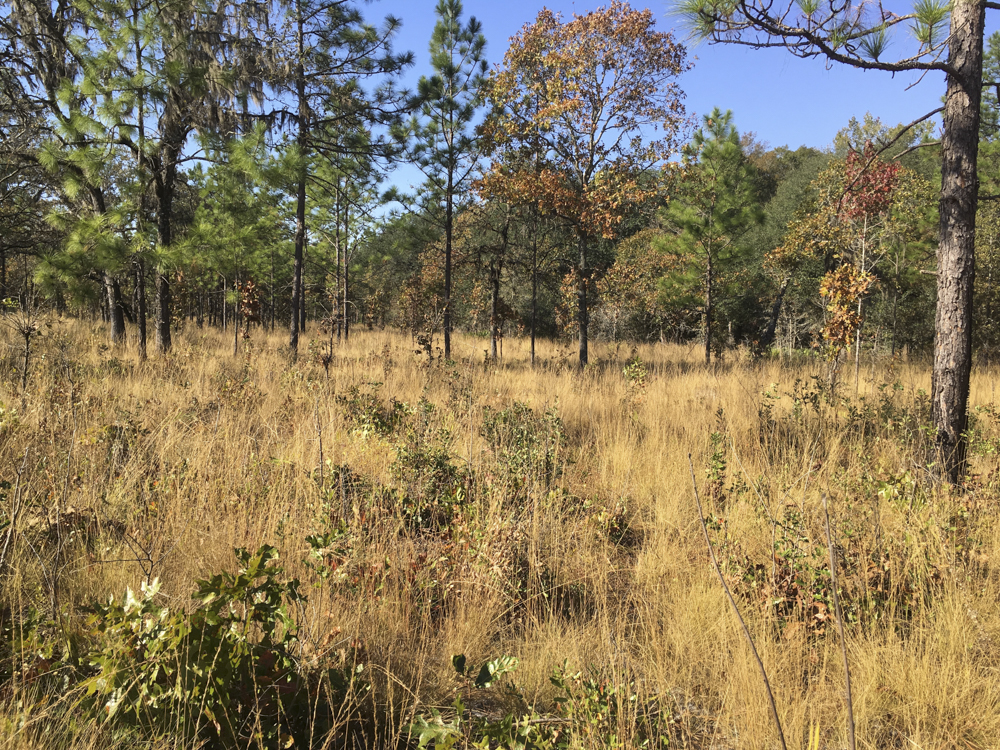
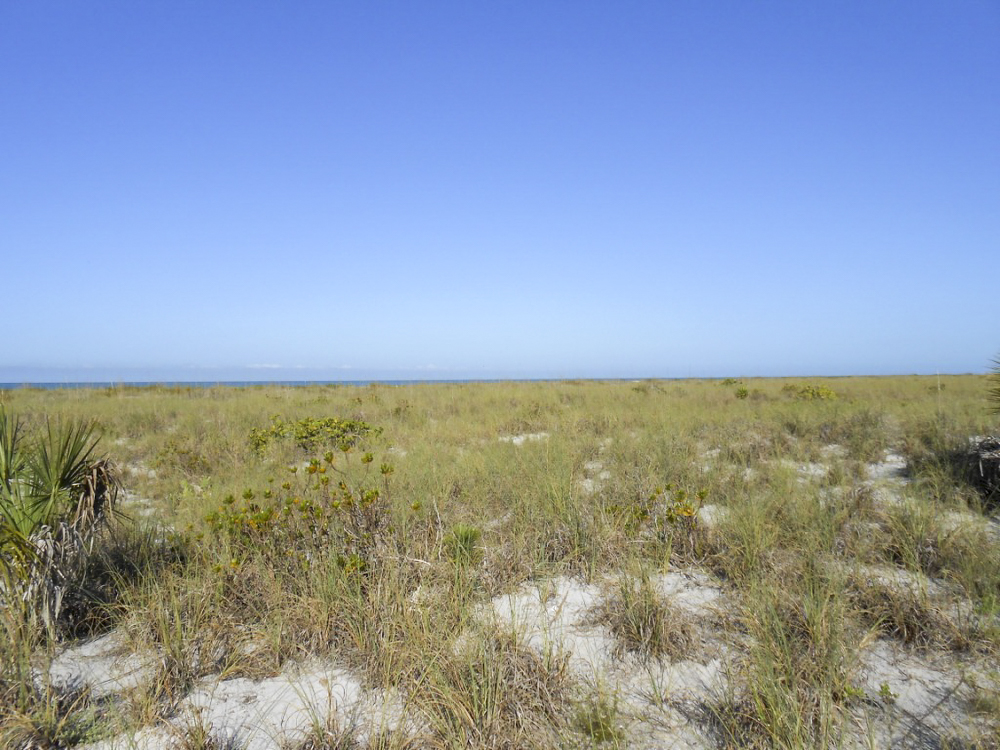
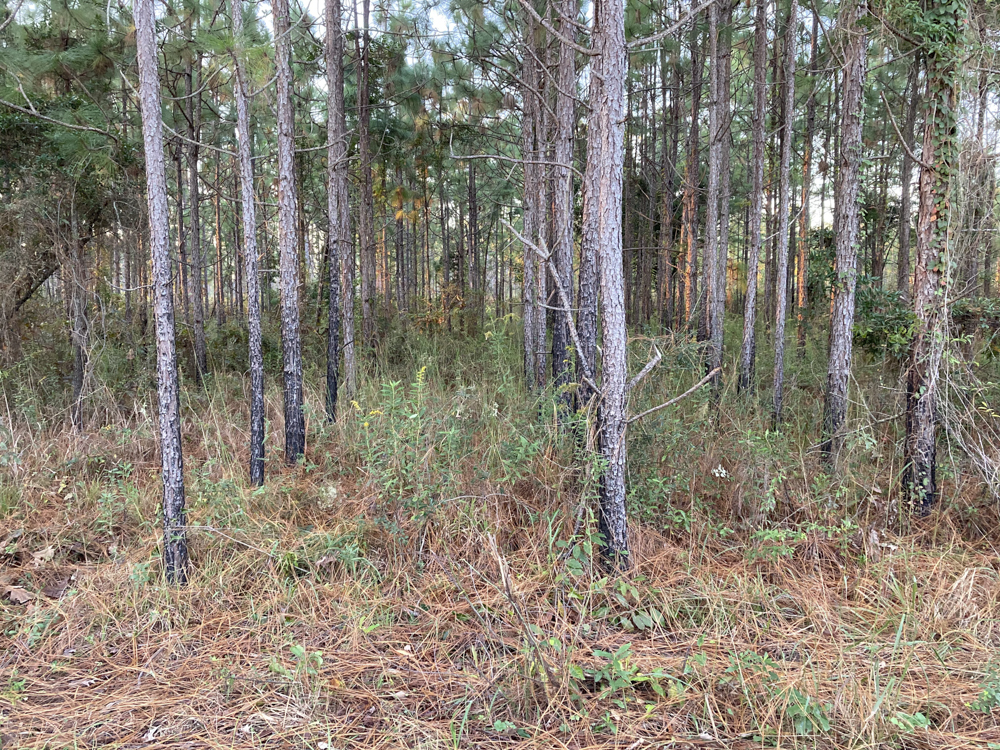
Among land cover types and under average soil depth to water table and canopy conditions, coastal strand, sandhill, coastal grassland, and pine plantation) had the highest predicted tortoise densities (>1 tortoise/ha).
Under the same conditions, the lowest predicted densities occurred in upland pine, upland coniferous, xeric hammock, and mesic flatwoods (<0.40 tortoise/ha). Our results can be used to help inform gopher tortoise stocking rates for translocations as well as habitat management targets.
The four land cover types with the highest predicted tortoise densities (top to bottom: coastal strand, sandhill, coastal grassland, and pine plantation).
Smith, L.L., C.P. Shea, M.C. Dziadzio, J.M. Howze, K. Brown, and K. Richardson. 2026. Using gopher tortoise monitoring data to inform habitat restoration and translocations. Journal of Wildlife Management 90:e70221. doi.org/10.1002/jwmg.70221
Lora Smith, lora.smith@jonesctr.org