Natural Resources Research & Management
Natural Resources Research & Management
In May 2025, two timberland investment companies made history by selling the first biodiversity credits ever sold in the U.S.1 Rather than receiving payments for timber or carbon storage, the companies were compensated for restoring longleaf pine forests. An emerging market of biodiversity credits may provide a new means of support for important restoration work in longleaf pine; however, it currently lacks a solid foundation in governance and benchmarking, which are essential to market integrity and efficiency. Since 2023, The Jones Center at Ichauway’s Landscape Ecology Lab has been contributing to efforts with other partners to explore whether biodiversity crediting programs are a possible path to support more widespread restoration efforts for longleaf pine ecosystems. More specifically, the Lab is pioneering a streamlined protocol to monitor vegetation characteristics that is more cost-effective and accessible to landowners than traditional forestry inventory approaches. But first, let’s take a step back to assess the concept and current state of biodiversity credit systems around the globe, and how they can inform the future market of Southeastern U.S. ecosystems. What is a biodiversity credit? And who would buy them?
Earth’s ecosystems are immensely important to the global economy, but funding to protect them falls far short of what is needed. It is estimated that ecosystem services account for over 50% of the global GDP, equivalent to $44 trillion in 2020.6 Some of the most economically important ecosystem services are the provisioning of crops, timber, water, outdoor recreation, and carbon sequestration.7 However, these services are not guaranteed to persist as biodiversity loss and ecosystem collapse are projected to accelerate globally over the next decade.8 Furthermore, we are facing a biodiversity financing gap of approximately $700 billion annually, which is needed to effectively tackle these risks.9 It is widely held that creative financial strategies that encourage private investments in biodiversity are needed to address conservation issues at a global scale.10
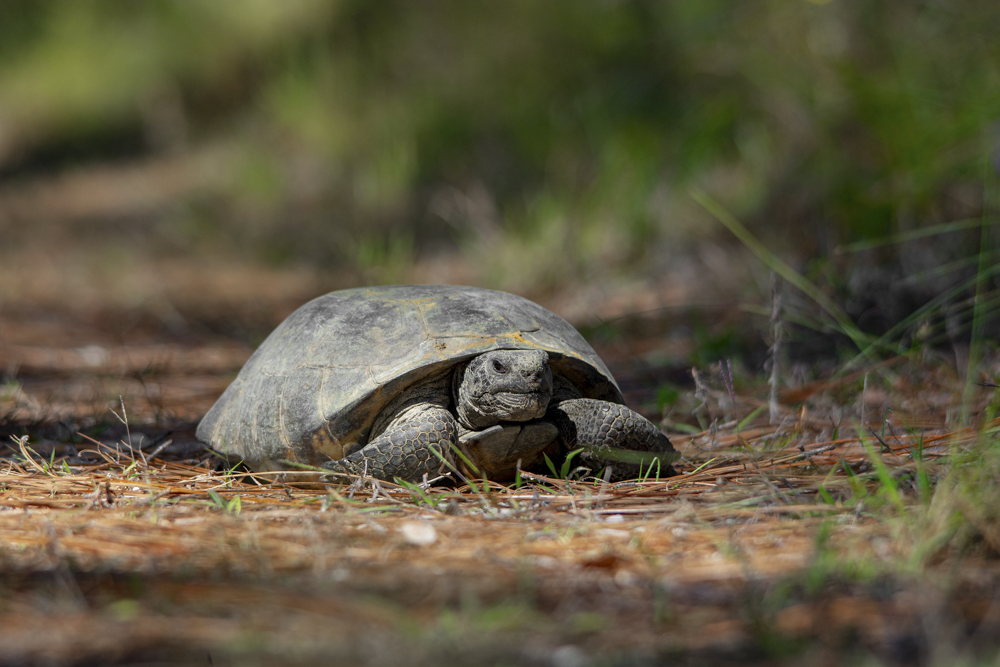
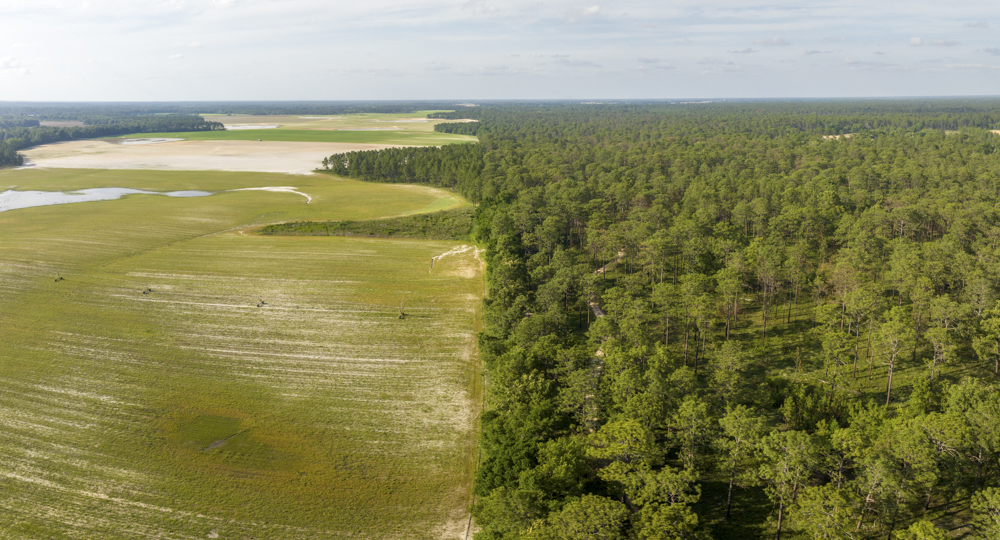
Despite the remaining challenges, biodiversity credit programs are beginning to take hold in the US. Longleaf pine ecosystems are on the frontier of this development, meaning that standards for efficient biodiversity monitoring are needed.
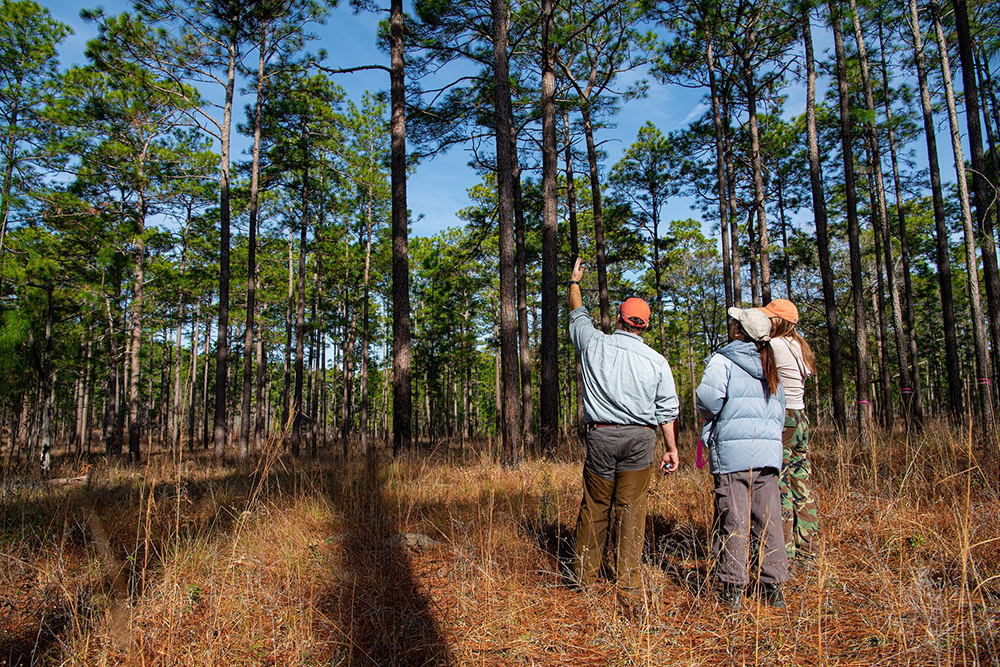
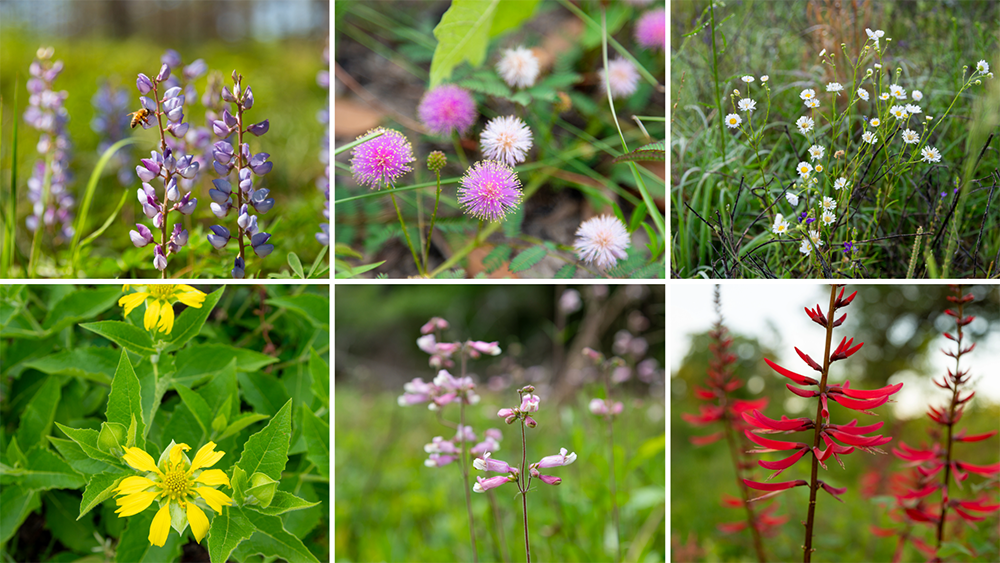
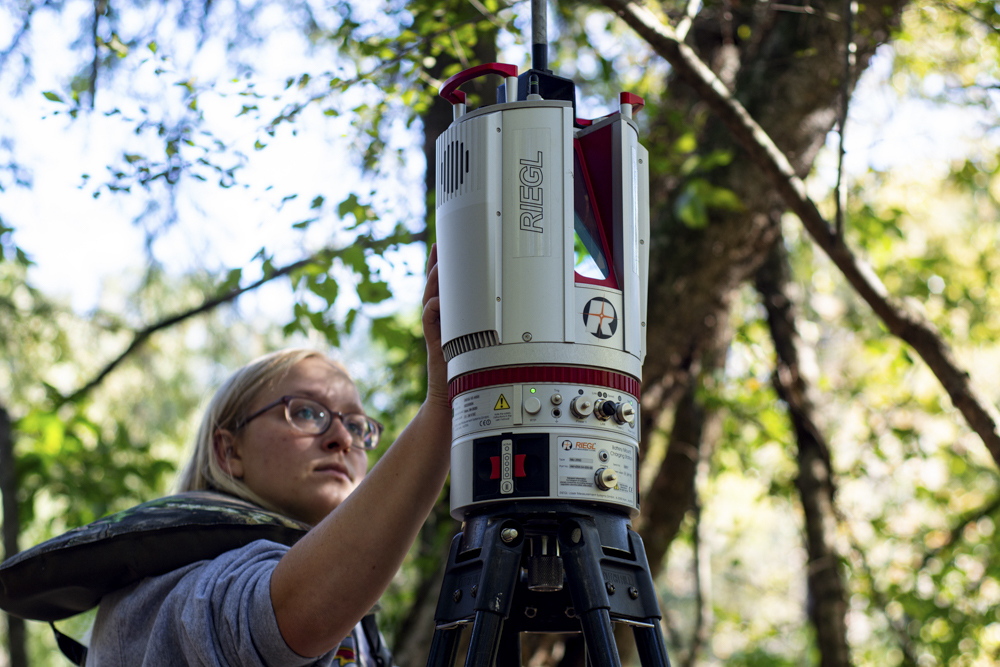
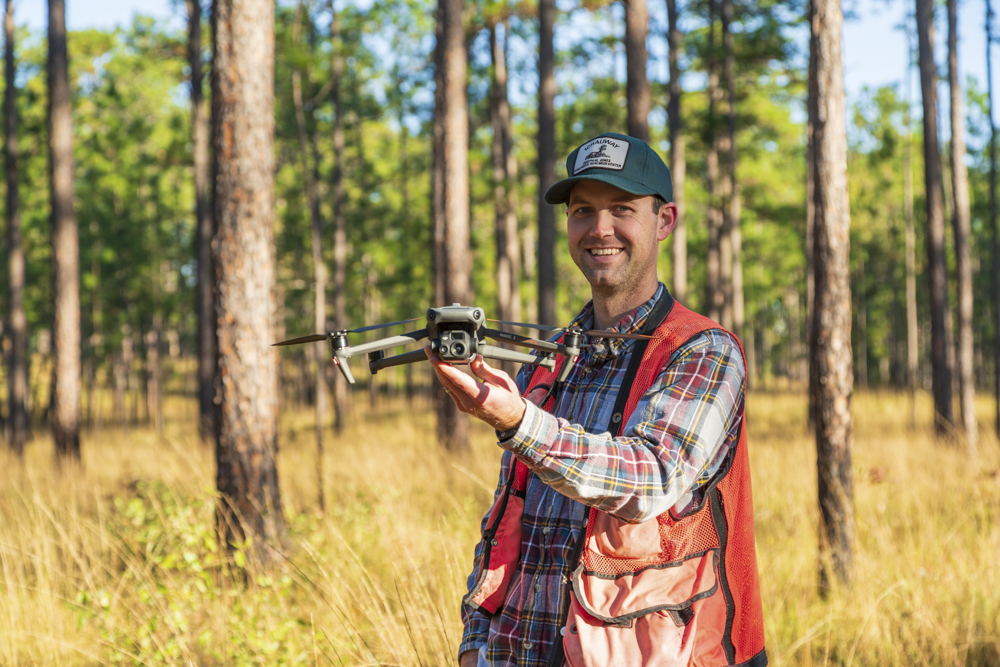
One key challenge of biodiversity credit programs is to develop monitoring programs that are thorough enough to capture complex ecological change, but simple enough to be cost effective at a large scale. The Jones Center at Ichauway’s Landscape Ecology Lab is working with partners from the Longleaf Alliance, Milliken Advisors, and universities to develop cost-effective biodiversity monitoring protocols in longleaf pine ecosystems for wildlife, plant diversity, and vegetation characteristics. High quality longleaf pine woodlands are often characterized by low canopy cover, presence of mature trees and multi-age structure, and high components of understory cover in grasses. Measuring these vegetation characteristics traditionally relies on costly and time-consuming field labor by ecologists experienced with the diverse ecosystem. However, our lab hopes to streamline the process of evaluating this component of biodiversity by adopting remote sensing techniques utilizing drones and terrestrial lidar. By combining high resolution data on forest structure and field-based verification, we hope to build a standardized system to make biodiversity credits more accessible to small landowners.
Rachel McGuire | The Jones Center at Ichauway, Outreach & Education Coordinator | rem@jonesctr.org
Jeffery B. Cannon, PhD | The Jones Center at Ichauway, Landscape Ecologist | jeffery.cannon@jonesctr.org
Khanh Ton | The Jones Center at Ichauway, Geospatial Analyst | khanh.ton@jonesctr.org
1 24 Qarlbo Biodiversity. “Qarlbo Biodiversity Sells First-Ever Voluntary Biodiversity Credits in the US.” Qarlbo Biodiversity, May 14, 2025. https://www.qarlbobiodiversity.com/newsroom/qarlbo-biodiversity-sells-first-ever-voluntary-biodiversity-credits-in-the-u-s.
2 Gray, Cherie, and Akanksha Khatri. “How Biodiversity Credits Can Deliver Benefits for Business, Nature and Local Communities.” World Economic Forum, December 9, 2022. https://www.weforum.org/stories/2022/12/biodiversity-credits-nature-cop15/.
3 11 15 16 17 Waterford, Laura, Veda FitzSimons, and Olivia Back. State of Voluntary Biodiversity Credit Markets. Pollination Foundation, 2023. https://pollinationgroup.com/global-perspectives/state-of-voluntary-biodiversity-credit-markets.
4 Rao, Radhika, Esther Choi, and Roman Czebiniak. “Can ‘Biodiversity Credits’ Boost Conservation?” World Resources Institute, March 12, 2024. https://www.wri.org/insights/biodiversity-credits-explained.
5 Sarmiento, Mariana, and Timothy Male. Definition of a Biodiversity Credit. No. 3. Issue Papers. Biodiversity Credit Alliance, 2024. https://www.biodiversitycreditalliance.org/wp-content/uploads/2024/05/Definition-of-a-Biodiversity-Credit-Rev-220524.pdf.
6 Herweijer, Celine, Will Evison, Samra Mariam, et al. Nature Risk Rising: Why the Crisis Engulfing Nature Matters for Business and the Economy. World Economic Forum, 2020. https://www.weforum.org/publications/nature-risk-rising-why-the-crisis-engulfing-nature-matters-for-business-and-the-economy/.
7 12 13 European Commission. “Roadmap towards Nature Credits.” European Commission, July 7, 2025. https://ec.europa.eu/info/law/better-regulation/have-your-say/initiatives/14723-Roadmap-towards-Nature-Credits_en.
8 Heading, Sophie, and Saadia Zahidi. The Global Risks Report 2023. World Economic Forum, 2023. https://www.weforum.org/publications/global-risks-report-2023/digest/.
9 10 Convention on Biological Diversity. “Kunming-Montreal Global Biodiversity Framework.” United Nations Environment Programme, December 18, 2022. https://www.cbd.int/doc/decisions/cop-15/cop-15-dec-04-en.pdf.
14 McDonnell, Tim. “Biodiversity Credits Are Slowly Finding a Market.” Semafor, May 22, 2025. https://www.semafor.com/article/05/22/2025/biodiversity-credits-are-slowly-finding-a-market.
18 Zynobia, Emile, Paul Steele, and Anna Ducros. Biocredit Catalogue: A Collection of Biocredit Developers and Schemes. International Institute for Environment and Development, 2023. https://www.iied.org/22201iied.
19 Chauhan, Himanshu. “Australia Launches World’s First Legislated Voluntary Biodiversity Credits Market.” S&P Global, March 4, 2025. https://www.spglobal.com/commodity-insights/en/news-research/latest-news/energy-transition/030425-australia-launches-worlds-first-legislated-voluntary-biodiversity-credits-market.
20 Ministry for the Environment. “Scaling up Voluntary Nature Credits Market Activity in New Zealand.” June 12, 2025. https://environment.govt.nz/publications/scaling-up-voluntary-nature-credits-market-activity-in-new-zealand/.
21 Reklev, Stian. “India to Launch Green Credit Programme to Meet Environmental Goals.” Nature & Biodiversity Pulse, June 28, 2023. https://carbon-pulse.com/209830/.
22 Woolnough, Tom. “UK Company Wins Government Backing to Kickstart Biodiversity Credits in Scotland.” Nature & Biodiversity Pulse, August 14, 2023. https://carbon-pulse.com/216531/.
23 Schenck, Mills, Torsen Kurth, Dean Muruven, et al. Corporate Commitment Meets Nature: The Reality of Biodiversity Credits. Boston Consulting Group, 2024. https://www.bcg.com/publications/2024/the-reality-of-biodiversity-credits.
25 Hamilton, Healy, Regan L. Smyth, Bruce E. Young, et al. “Increasing Taxonomic Diversity and Spatial Resolution Clarifies Opportunities for Protecting US Imperiled Species.” Ecological Applications 32, no. 3 (2022): e2534. https://doi.org/10.1002/eap.2534.
26 Brandeis, Consuelo, and Donald G. Hodges. “Forest Sector and Primary Forest Products Industry Contributions to the Economies of the Southern States: 2011 Update.” Journal of Forestry 113, no. 2 (2015): 205–9. https://doi.org/10.5849/jof.14-054.
27 Hartsell, Andrew J., and Roger C. Conner. Forest Area and Conditions: A 2010 Update of Chapter 16 of the Southern Forest Resource Assessment. SRS-GTR-174. U.S. Department of Agriculture, Forest Service, Southern Research Station, 2013. https://doi.org/10.2737/SRS-GTR-174.
28 Bollinger, Ryan, Tim Albritton, Colette DeGarady, et al. “Range-Wide Conservation Plan for Longleaf Pine 2025-2040.” America’s Longleaf Restoration Initiative, October 26, 2023. https://www.americaslongleaf.org/media/bwfpc2ys/conservation-plan-2025-2040.pdf.